
Truth in Visual Advertising
There is a line, and people are crossing it.

Believe it or not, advertising is held to an idea of “truth in advertising” both ethically and legally. We don’t make claims that are false, nor are we trying to deceive anyone. Those who might do that are not my friends and colleagues. I’m not here today to debate how many “bests” there can be in one category. I am here to talk about visuals.
Visuals can be created by photography, illustration (which can be digital or encompass a lot of different physical media), CGI, or AI. And they all have considerations for whether or not you’re showing someone an accurate representation of the object for sale.
📷 Photography
The actual object is present in front of the camera. Now, you can light it, choose an angle, retouch a scratch off of it, or adjust the color later, etc. It is about presenting the object in the best way possible, and even sometimes in an aspirational or conceptual way. But the object you see is the object that you’re buying.
Food photography is a great example. Yes, your Whopper will never look quite as golden and warm as the one on TV. They are going to pick the best looking bun and best looking tomato and light it carefully so the meat glistens. But in my experience with food, you do have to use the same food in the same amounts. In other words, to shoot a particular fast casual salad, you have to use the same X ounces of cherry tomatoes and X ounces of chicken, and you can’t put 3x the cheese on it. So it is the same food you’ll get at the place.
There were days when, for example, stylists were using Crisco as a stand in for ice cream since it wouldn’t melt. This doesn't happen much anymore. Most food stylists use the actual food products. However, if the ice cream is just a prop in an ad for a refrigerator, then it really doesn’t matter what it’s made from.
🎨 Illustration
In this case, it’s generally clear that it’s illustration and not the actual object in front of you. Depending on how abstract or realistic the style of the illustration, there will be less or more of an expectation that it resembles the real object. There will probably need to be an accurate depiction of the object somewhere – typically at the point of purchase online if you're not in a physical store.
📐 CGI
Computer generated product imagery is a kind of digital illustration and could have those considerations, but most often, it is based on an actual CAD file of the object. So, while it's not the physical manifestation of the object, it is rendered from the 3D engineering files the object is made from. Therefore these renders are very accurate representations at least in form. Texture or finish is another consideration.
✨ Gen AI
There are ways you could use AI as part of retouching or alongside any of the image making above, but what I'm talking about is the entire image is generated and it is representing an object for sale. This gets squishy fast. Because if you’re just describing the object, the AI result is not going to be an accurate representation of the real object. However, it will seem to be accurate to anyone who has never seen the object before. And there lies the problem.
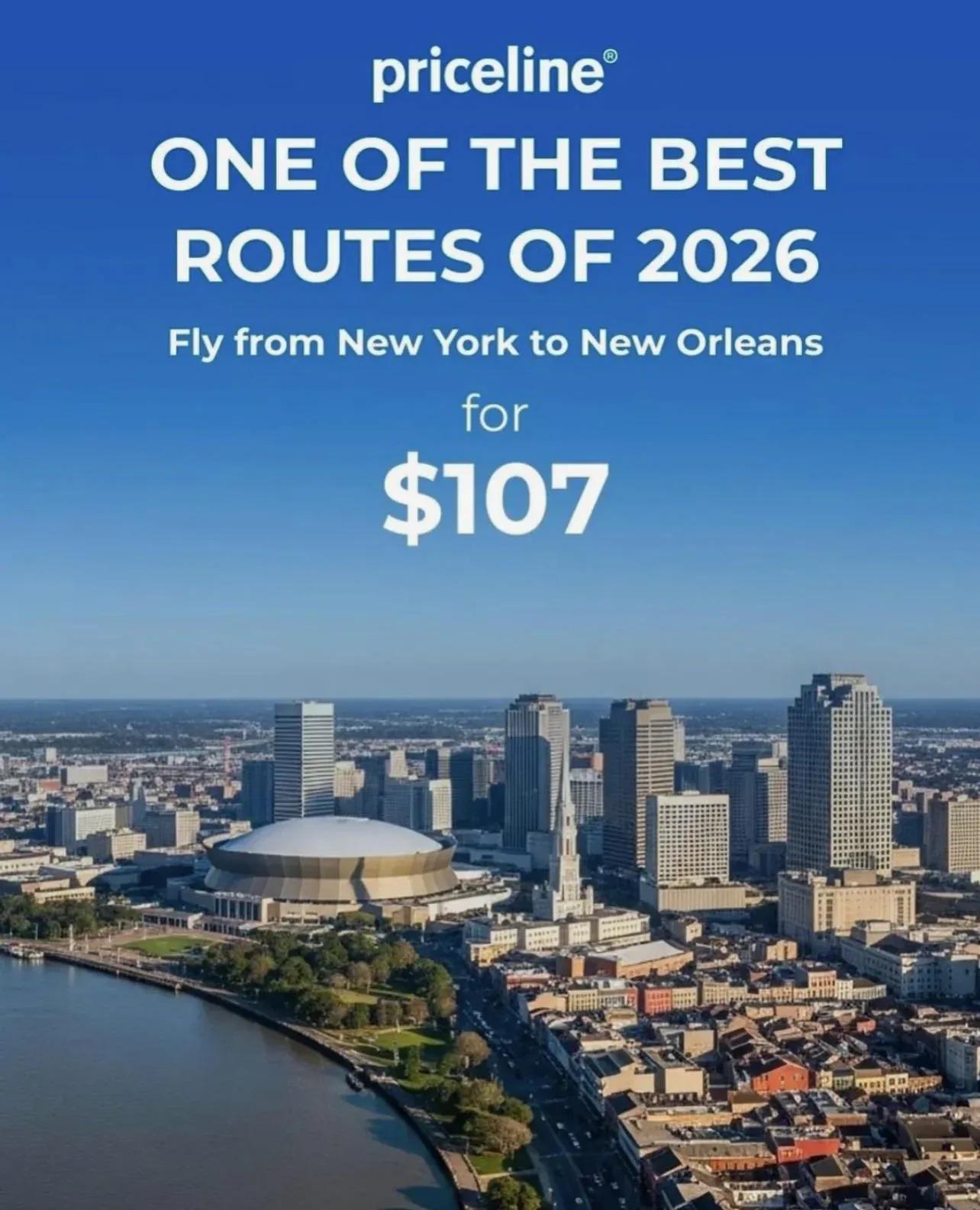
A colleague pointed out some Priceline ads that advertise travel to places like New Orleans and Chicago but are inaccurately depicting the places they're urging you to go. The gen AI above shows the New Orleans Superdome right on the river among other issues. If you’re telling me I can go HERE, and the HERE is some made up place, that seems false. Also, someone on the Reddit thread mentioned it's pretty easy to find (accurate) stock imagery of NOLA. Why go through this extra trouble? And if you wanted to create some mashup of all the NOLA landmarks in one image, you could have made a cool collage.
Not sure if they don’t care or whoever is generating these doesn’t know what NOLA looks like or if these are being generated automatically without a person involved. But there should be a responsibility to show the correct thing.