
Info vs Direction, Demountable, and Social Futures
🧱 I am all-in on the newest luxury purchase.


The new luxury purchase is architecture.
Instead of wine or cars, the wealthy are buying portable architecture. And let me tell you, I am fully behind this. I would snatch up one of these in a second. Sometimes these are referred to as demountable structures – designed to be put up and taken down and put up again. For example, the Walker Guest House, designed by architect Paul Rudolph in 1951. Or Toyo Ito’s 2002 Serpentine Pavilion. What do you even do with these? One of Jean Prouvé's pre-fab gas stations is now being used as a pavilion for someone's tennis court in Florida. Others are "having second lives as beachfront restaurants, event spaces, and even a concert venue."
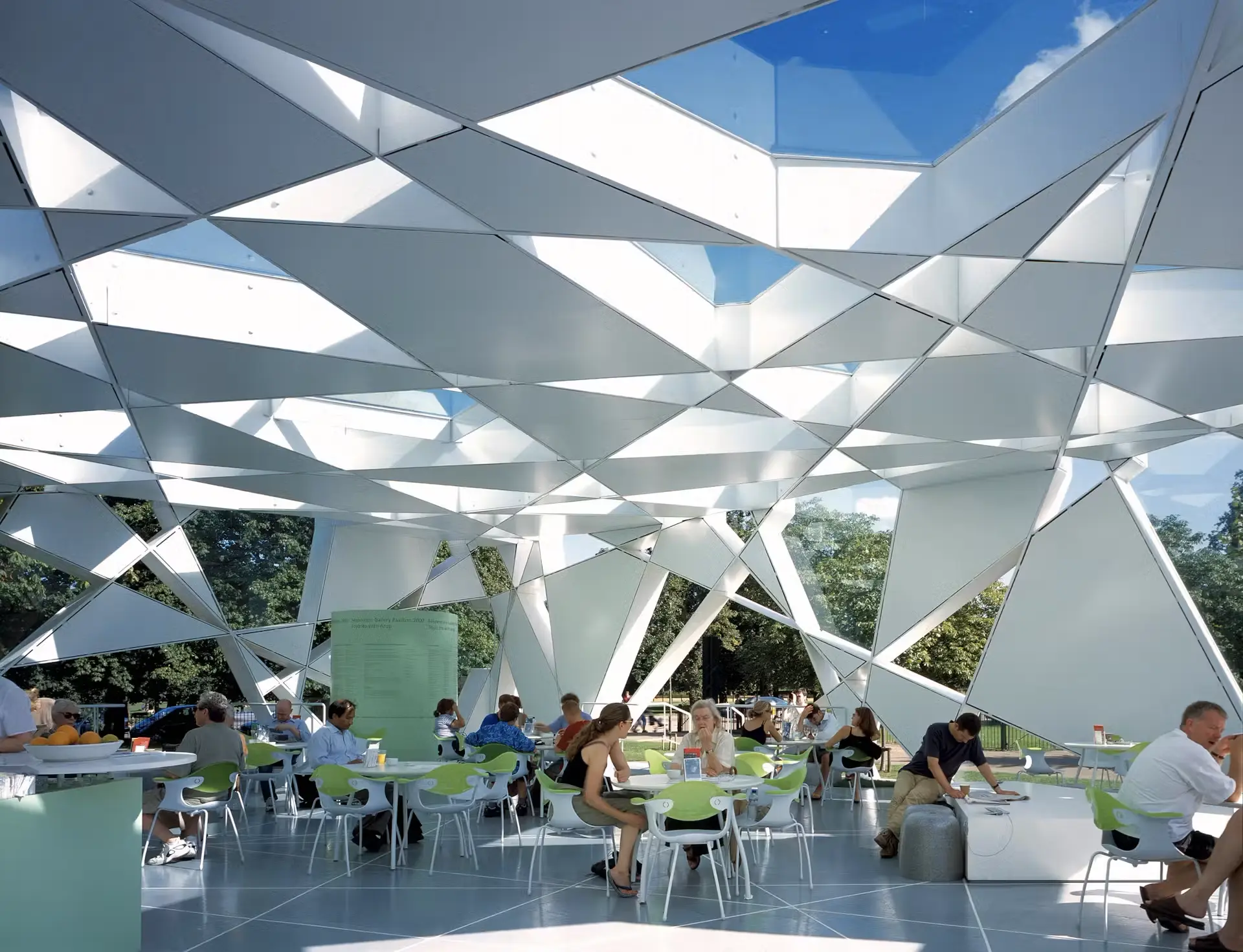
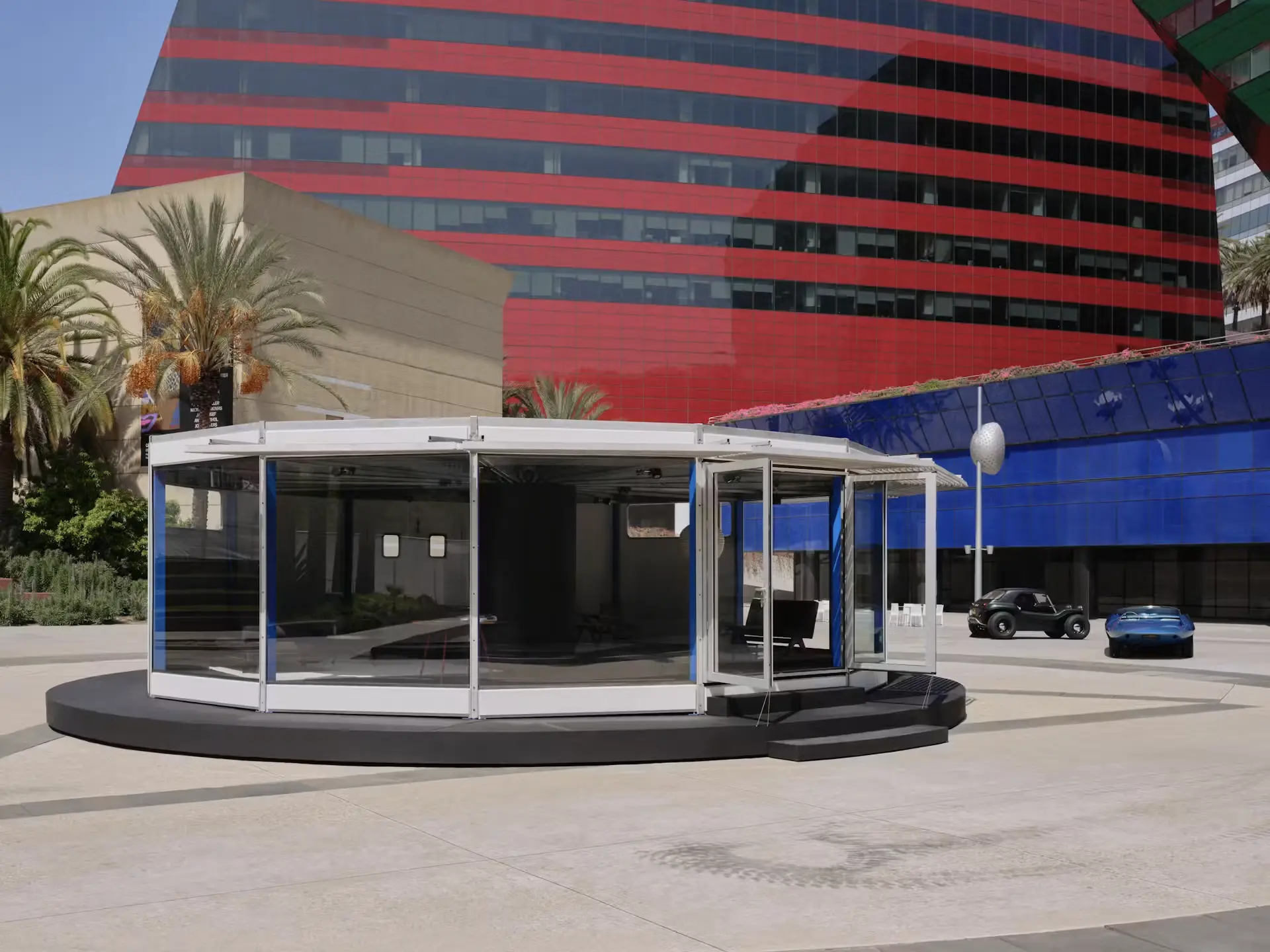
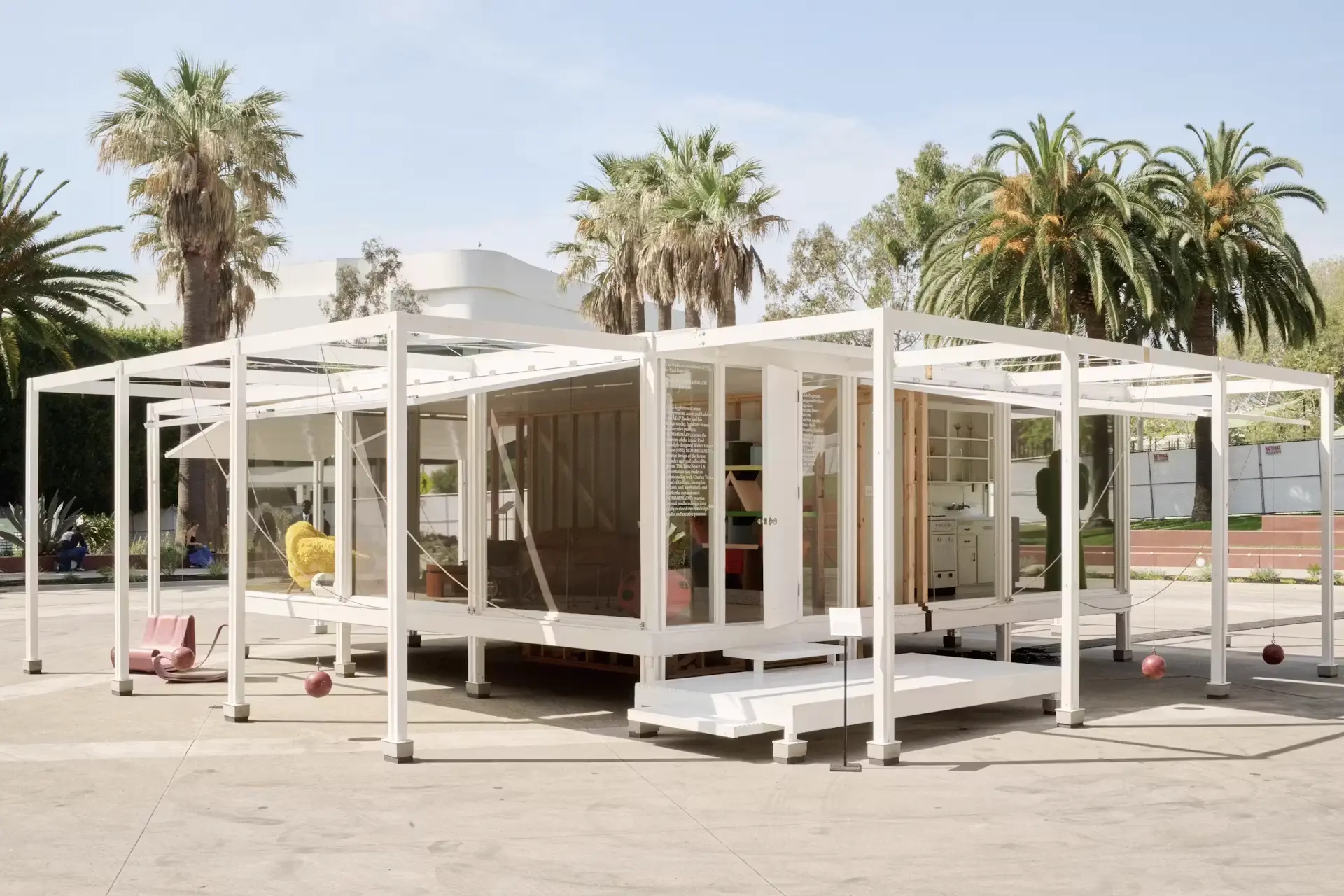
It makes sense because unlike most other architecture, they are designed to be moved. In a lot of ways they function more like sculpture. But I really fell down the rabbit hole with Jean Prouvé. Gallerie Patrick Seguin has a gallery of Prouvé's structures, many originally designed to combat the housing shortage after WWII. Here's a video of one being installed in a field. The pods are kitchen and bathroom.
Is your brief information or direction?
Decks are the new junk mail. People send them around like chain letters. They can be really useful for presenting work or communicating asynchronously. But folks send a deck rather than an email these days. I once asked someone for a couple visual examples and they literally sent back an 8p deck. It's become so easy to make them, but it still takes work to make them useful. Enter The Creative Brief in deck form. I encountered this a while back, and it was chock full of good information. Fabulous. What it didn't have? An actual strategy or direction. And at the end of it everyone was both informed and twisting in the wind.
I think part of the issue is that a deck does not require you to make sentences. You can get away with bullets or half statements. It is also easy to include a lot of charts and graphs, which sounds great, but the interpretation of that data is the more important part. Including them might be saying, "see, I didn't just make this up." Everything is also now a court case you must prove. Ask yourself, will someone know what action to take at the end of this?
Where do small businesses go after social media?
The relatively user-friendly platforms of social media have been a great way for a lot of small businesses to advertise. At a relatively low cost monetarily – although a potentially high cost in aggravation or time – you can have these three things:
- A "free" website – once you fill out the About or Bio section and make a few posts
- A distribution network – lots of people are already on the platform, and while it's not necessarily easy, you can build followers/customers
- A CRM – Comments and messaging are customer relations even though it doesn't have the organizational capability of a true CRM platform
But social platforms continue to ask more and more while giving less and less. Some businesses naturally offer what the platforms are looking for – things like video or imagery or humor. You can imagine posts about donuts making the rounds easily, but less so if the business is tax planning. I see users often complain that they're not seeing accounts they actually follow.
Here is an open question: What can small businesses do to prepare for a future when social platforms no longer give them what they need? Or make using them too time consuming to use or maintain? Is the answer back to basics using something non-digital? Using federated platforms? Newsletter platforms with email capabilities? A lot of that probably depends on the nature of the business. But I'd love to hear how you would answer that question in the comments.