This One Hurts, Because It's True
🔪 It might be time to rethink your moodboard.

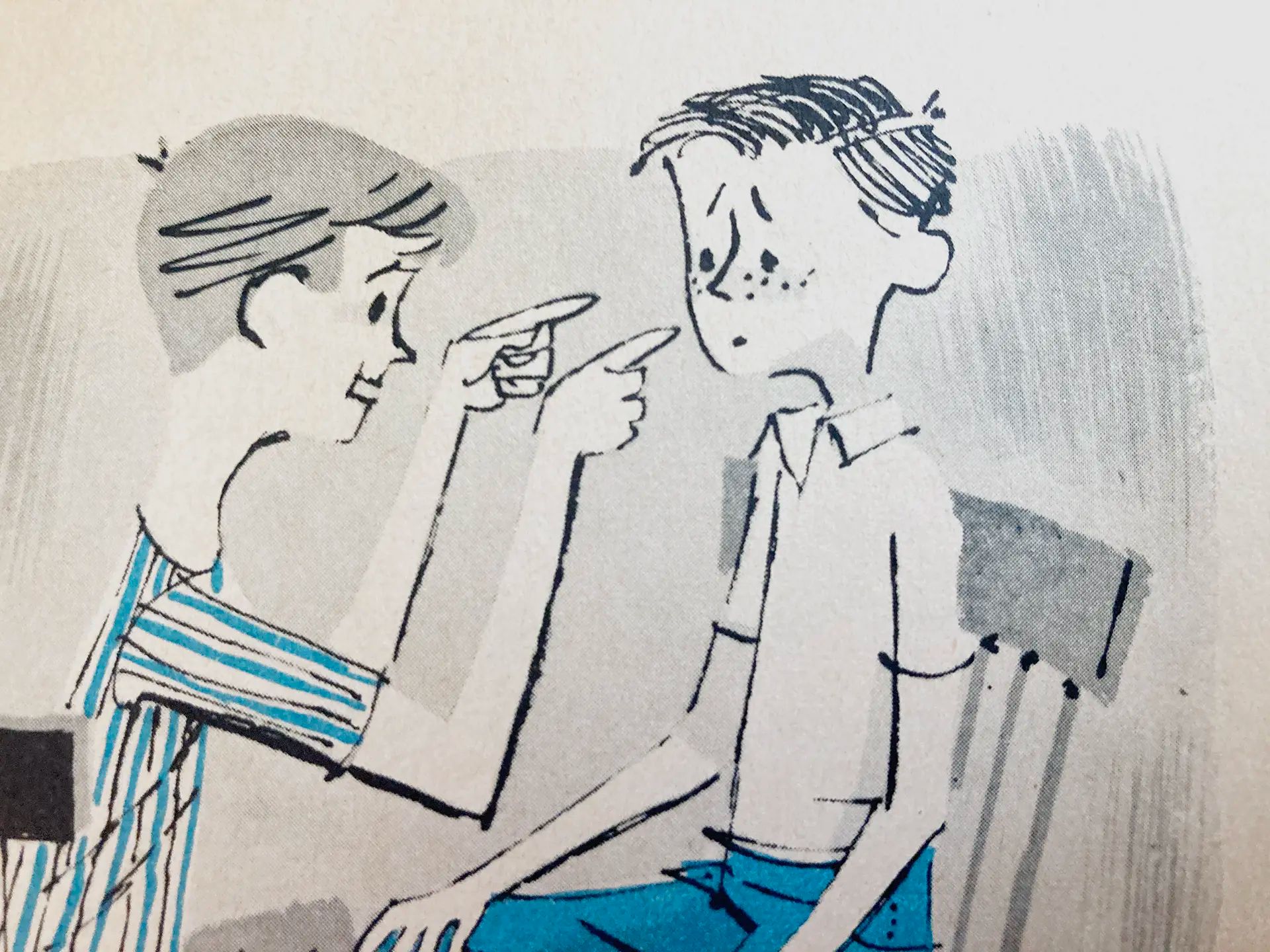
Oof, this hurts.
I really appreciate how Ken Sakata talks about design and brand. Even though he is in the fashion space, you can take almost anything he says and apply it to any type of design or type of brand. He's a great explainer. And recently, he came for the moodboard. My precious. But at the end, I had to agree with what he said. Which was basically, stop using the internet to build them. Um, excuse me? He shoots a 36 exposure roll of film every week and prints those out. Finds connections. Sees inspiration. He does live in Japan where there is still 1-hour photo processing. I used to have to shoot a roll of film every week for school IN ADDITION to any photography assignments. I can do this.
Even though the internet seems infinite, it is not. I learned this when I had to Google image search some specific thing like a hundred times and found that it started serving up the exact same images over and over. I found the end of Google. And we know that algorithms and bubbles exist online – that they are flattening culture. I still love the idea of physical design reference libraries, like Library 180, but you also can't just keep dredging up the past, even if there's really cool shit there. And the recent past/present feels kinda dull. But where do we find the future? Inside our squishy brains.
The 3%-ers.
Now, will I abandon the internet for moodboards? No. I don't necessarily have time to build up this kind of personal library for every project. Also, I often need to reference some very specific things that my locale does not offer. It can be totally appropriate to reference the past. This kind of "subconscious moodboard" that Sakata refers to doesn't necessarily work when you are communicating on behalf of someone else as a graphic designer. But making a habit of recording things I personally see and find interesting is a highly useful tool. It allows me to see what idiosyncrasies come up for me, not just for work, but as a personal tool for understanding myself.
Sakata also mentions what could be the source of these woes, not that it's really any one person. But Virgil Abloh gave an influential talk at Harvard that a lot of people saw. In that, Abloh says that you can take a design reference and change 3% of it to make something new. And I think you can see this in a lot of places. Re-issues across fashion and interiors. Movies where there are a lot of reboots and sequels. It's safer. It's a sure winner. But over time, we see it gets really old. Sakata says let's flip this. Let's use 3% reference and 97% new ideas. No shade to Abloh because he has one of my favorite quotes about context. I think he understood the industry at the time. Too many people jumped on the bandwagon and we ended up here.
What to do.
I do make an effort to diversify my internet moodboard sources. Google image search is one source, typically when I need something really specific. And don't forget to use these operators to help specify or filter out what you don't need. I also highly recommend Are.na as a Pinterest alternative for both organizing your inspiration and finding new inspiration. I hate Pinterest. Kel Rakowski offers up "64 places to search for image inspo that isn’t Pinterest." And I second her recommendation for eBay. There are also some great niche resources out there such as Soft Electronics and YSPISFU. And don't forget books! You have them. Dust them off.
Let's test it. For this week, I'll have my trusty Olympic Stylus Epic on my person. Remembering to take a camera with you is half the battle. If I think about it like keeping a sketchbook, maybe that takes the pressure off feeling like the images I shoot need to be good. Doing this exercise with your phone camera is just as legit. Make a folder and keep it organized so you can really use it. Or have those images printed out so they don't die the slow death of unviewed pixels.