
Squaring the Squircle
🫥 A brief history.

I was thinking about the squircle, and why it seems to be everywhere. I was going to point to technology, and specifically the evolution of buttons, as an origin story. UI buttons have evolved from rectangle to rounded rectangle to capsule. And in that time several design platforms have made it easier to create rounded corners, I'm guessing largely for this purpose. And often, technology shapes design in weird and specific ways. Making it easier to create rounded corners allows designers to choose that option more often. Rounded corners became a signifier for technology, but now they're everywhere from your phone to interiors.
If you ask Wikipedia, there is a mathematical difference between a squircle and a rounded square. There are equations. But in simple terms, the rounded square retains its four straight side sections while the squircle sides arc slightly. By the way, there is also a rounded cube and a sphube. Rounded corners have been around forever. But today's squircle tends toward the more circular, and just more dang common. But we have not recently invented the squircle.
Here, my mid-century Russel Wright serving platter is a rounded square. And my Pyrex bowl is a squircle. See the difference now?
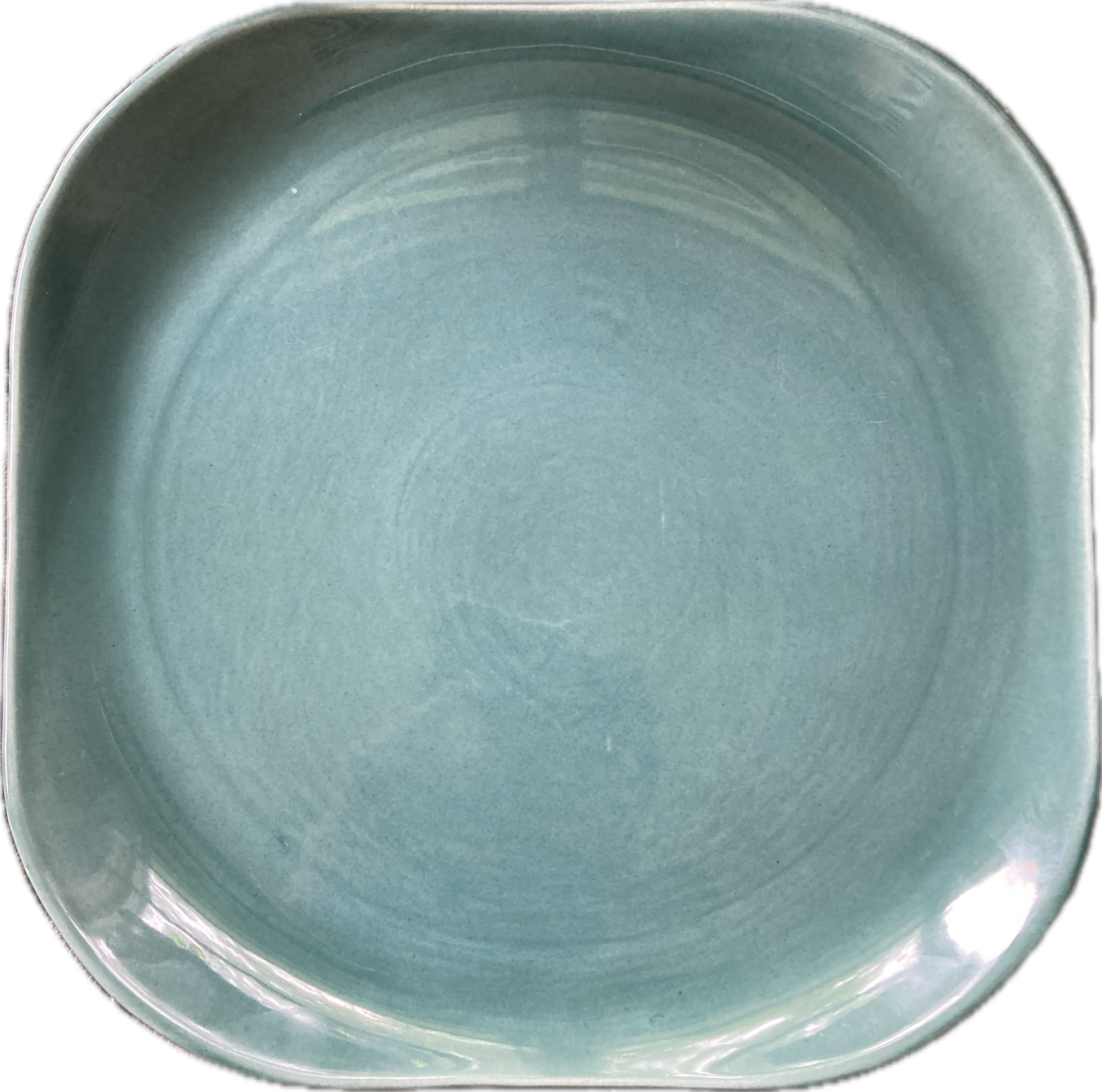
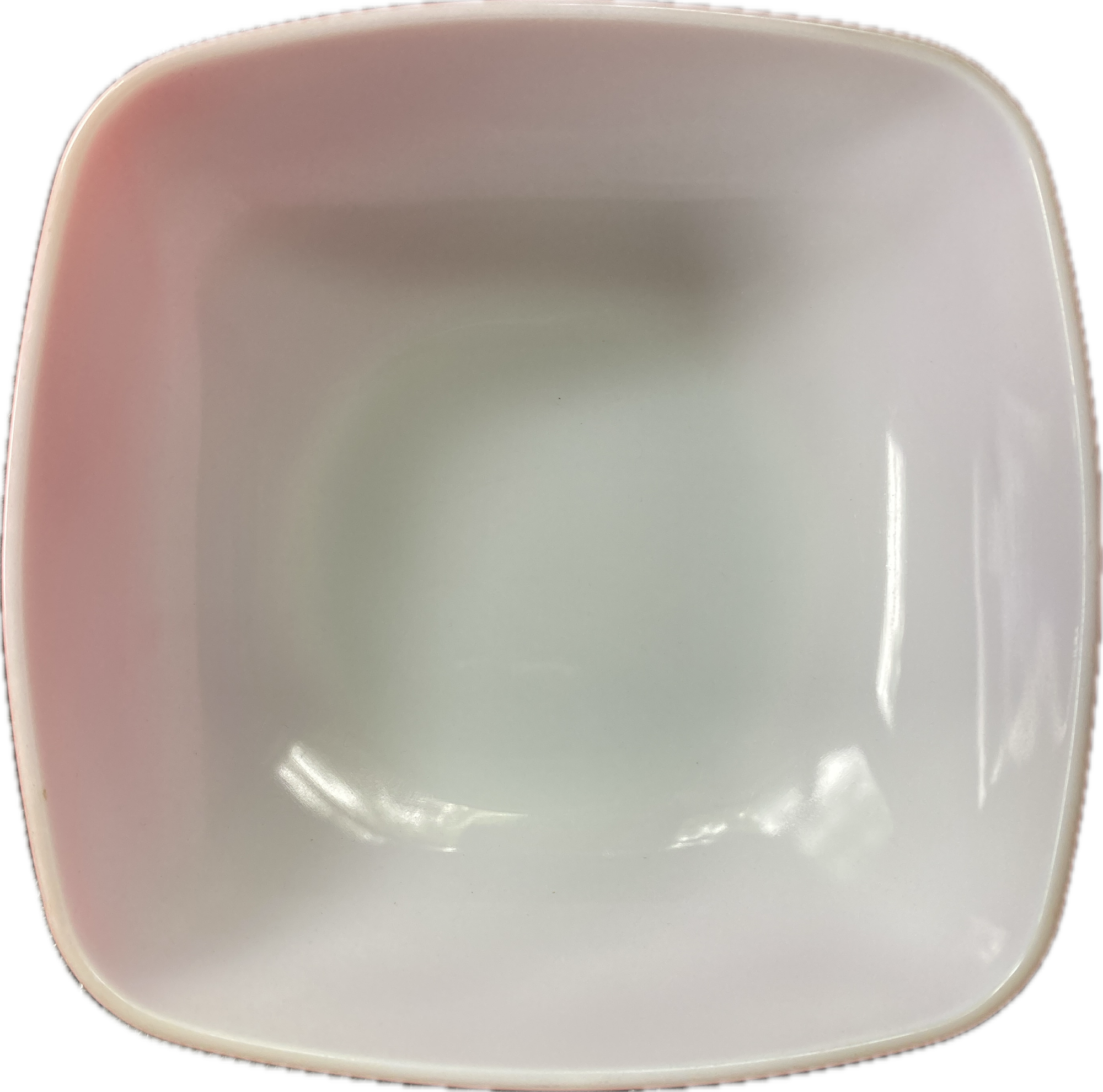
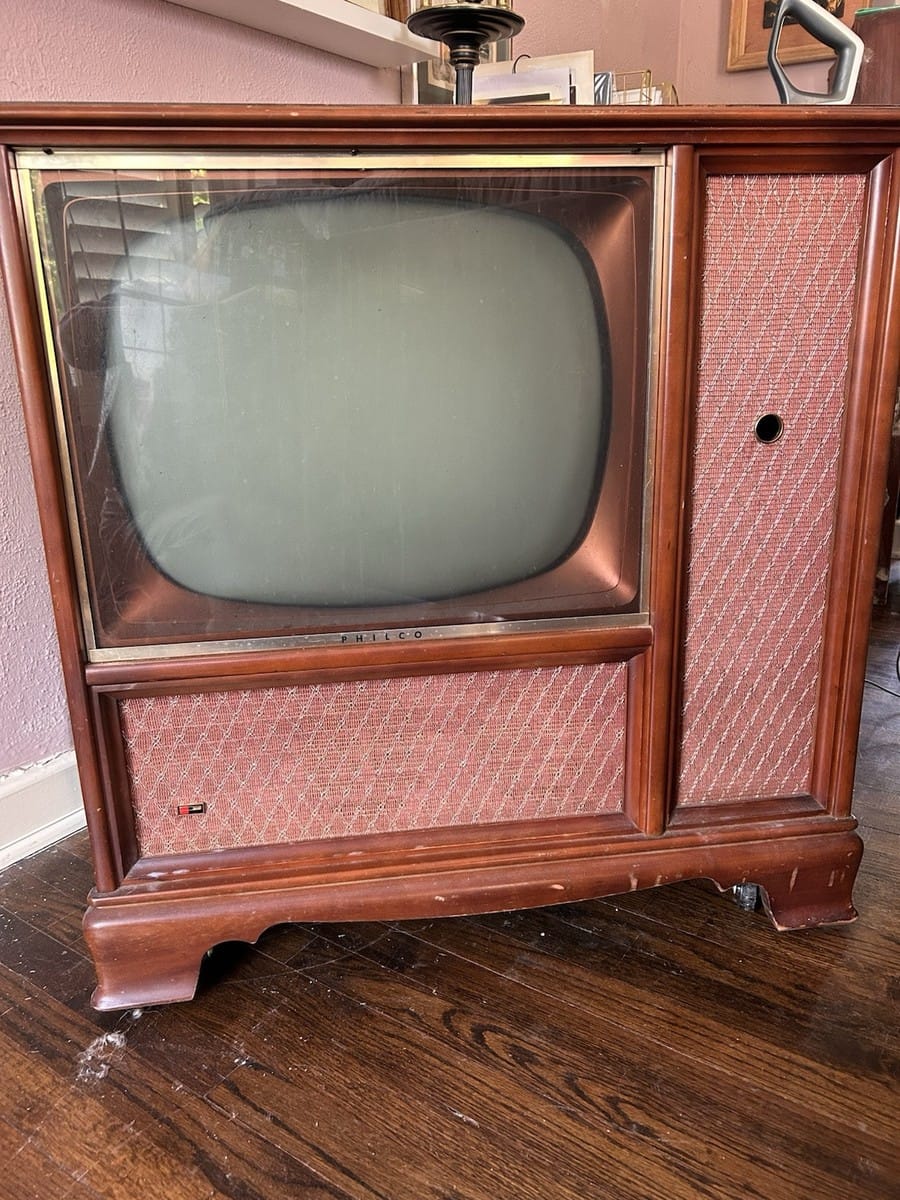
Russel Wright on the left (or top) and Pyrex on the right. Plus another atomic age squircle - the TV.
Turns out "A squircular (😝) plate has a larger area (and can thus hold more food) than a circular one with the same radius, but still occupies the same amount of space in a rectangular or square cupboard.[7]" So, dinnerware certainly makes sense from a practical standpoint.
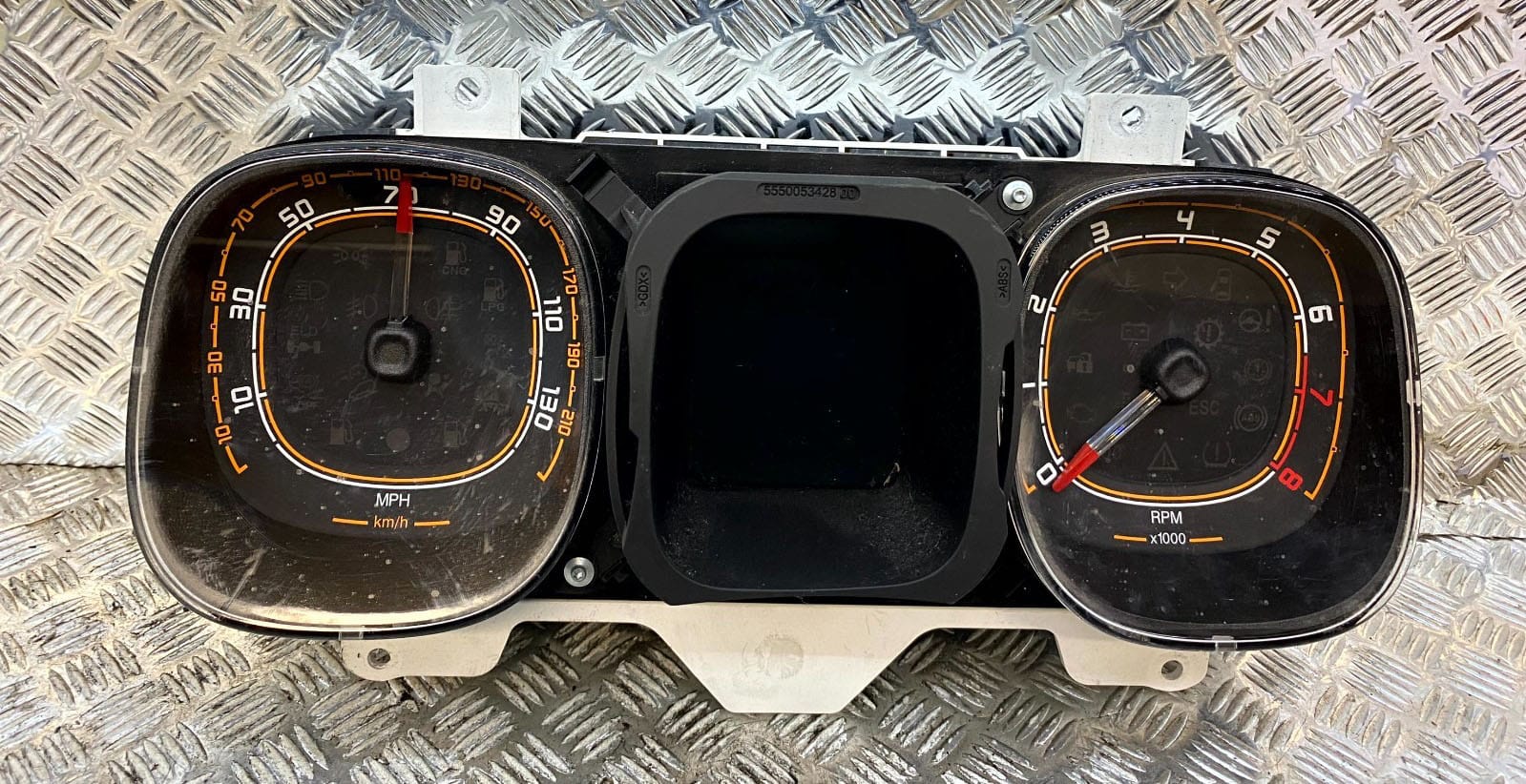
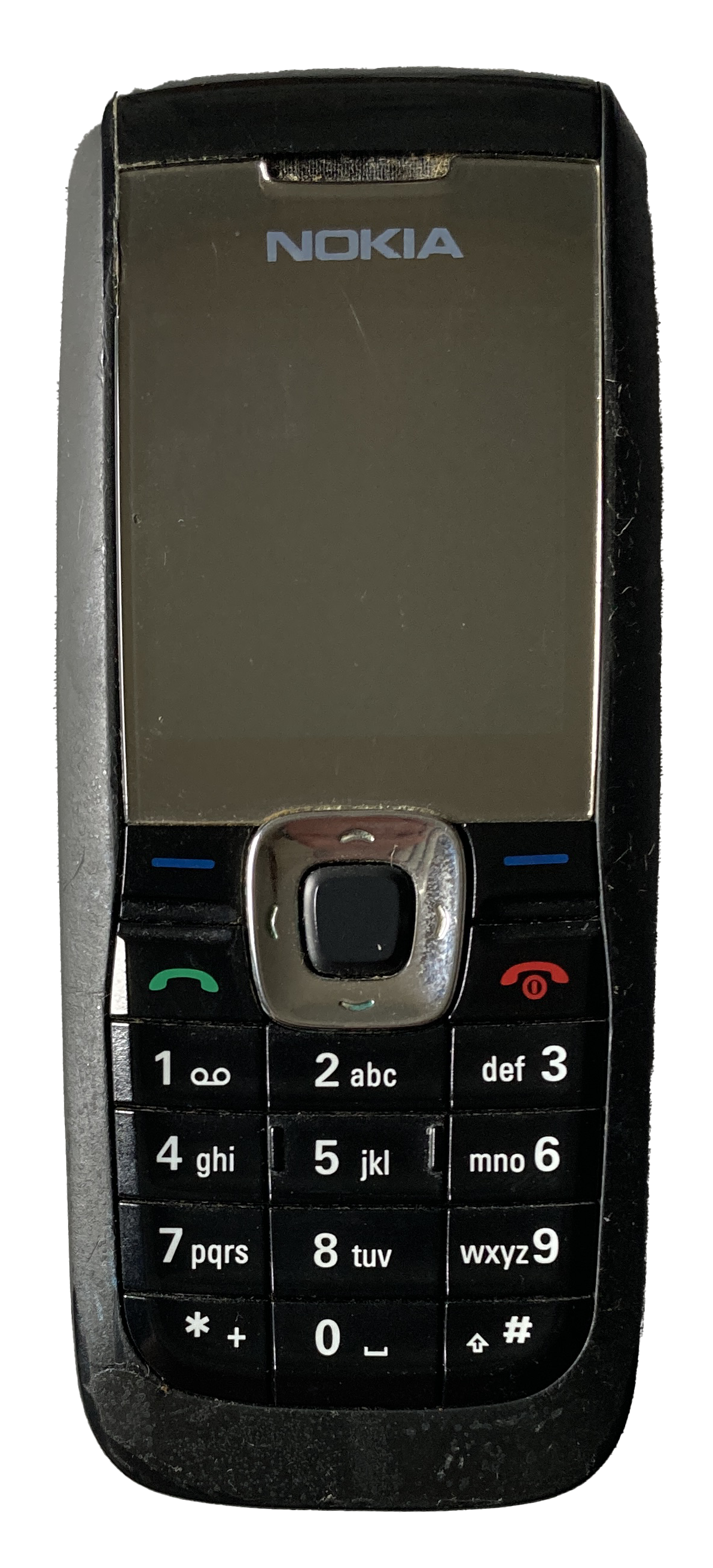
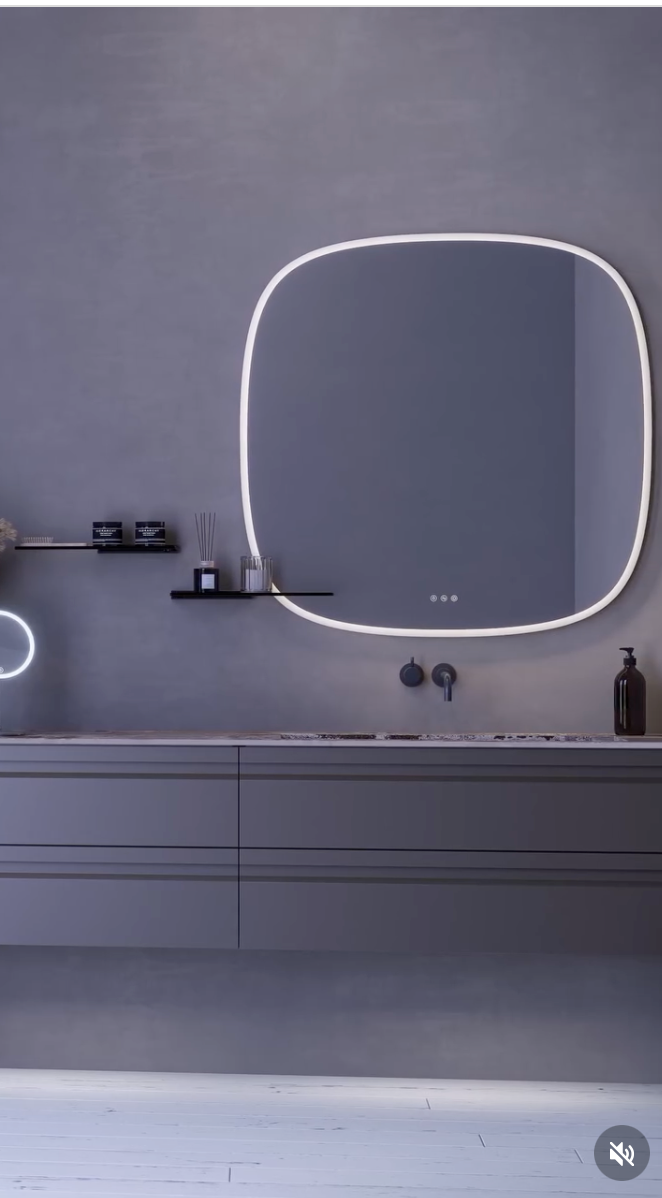
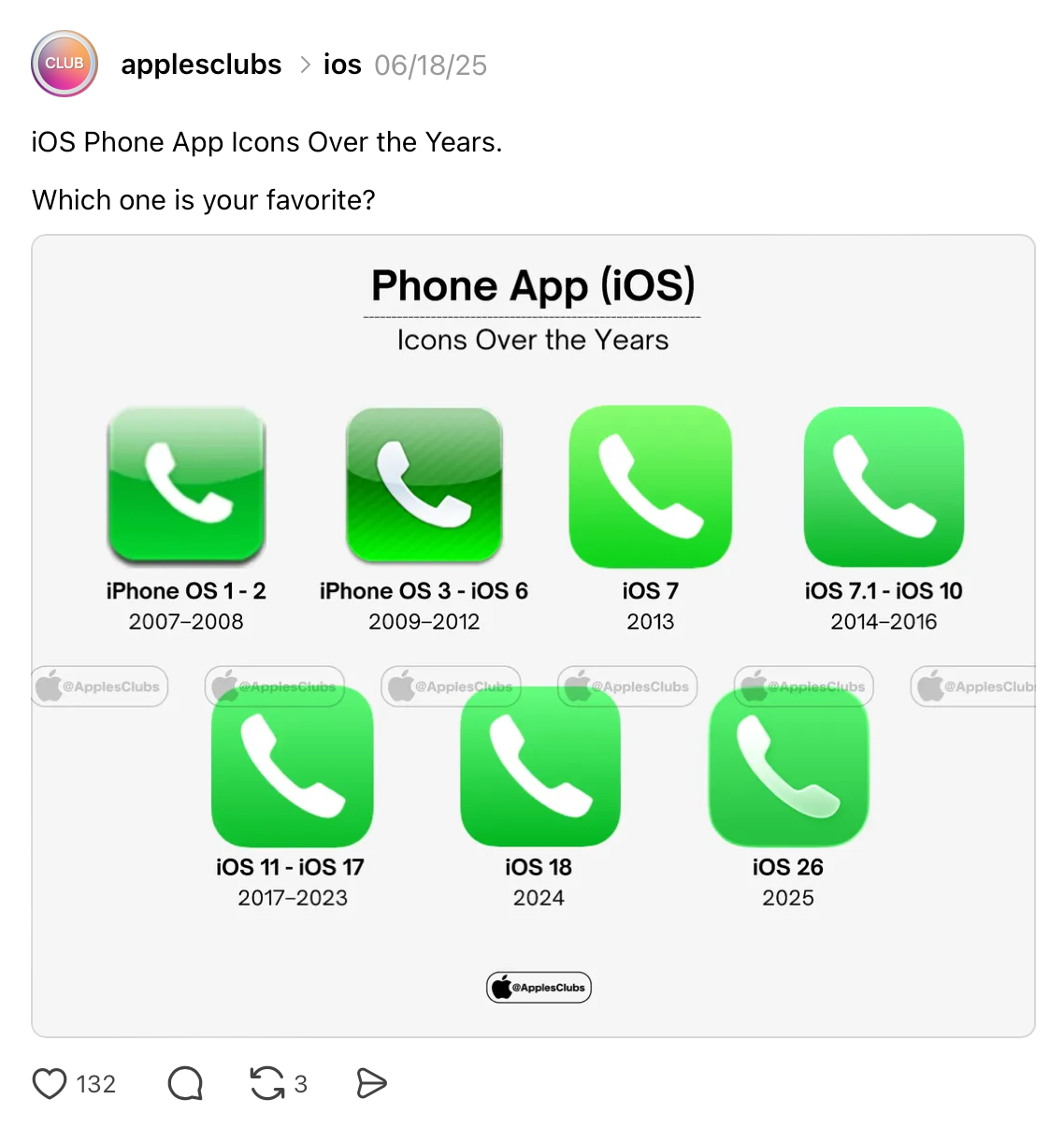
The Nokia home squircle, so many squircle mirrors, and the squircle-adjacent rounded rectangles we look at everyday – app icons.
But how far back does the squircle go? This article dates the term to 1966:
Architect Peter Panholzer coined the term “squircle” in the summer of 1966 while working for Gerald Robinson. Robinson had seen a Scientific American article on the superellipse shape popularized by Piet Hein and suggested Panholzer use the shape in a project.
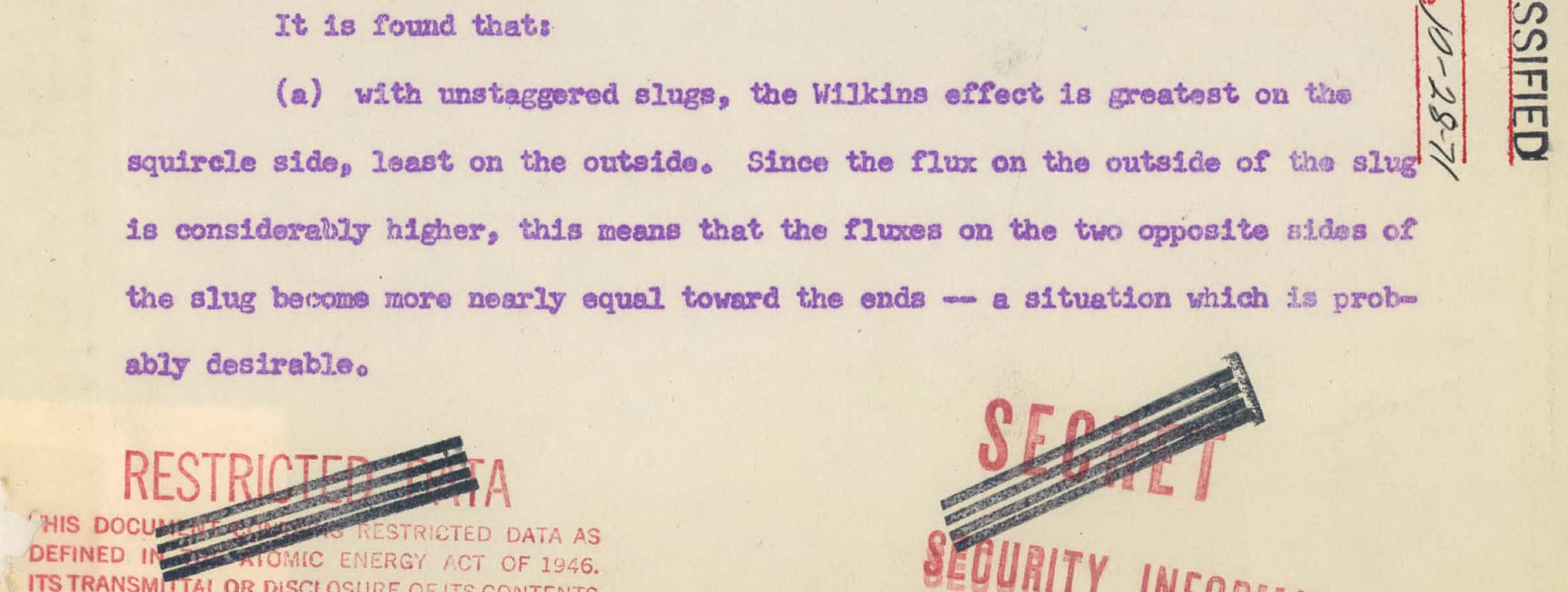
However, one of the comments points to this declassified document from 1953, although notes that it is in reference to a slightly different shape. I don't understand what this document is even about, but clearly they use the word "squircle" at least twice. It seems that the squircle originated largely as a mathematical concept. And if the squircle was new news in the 50s, then of course that would be taken up into the design world as evidenced by my kitchen ware.
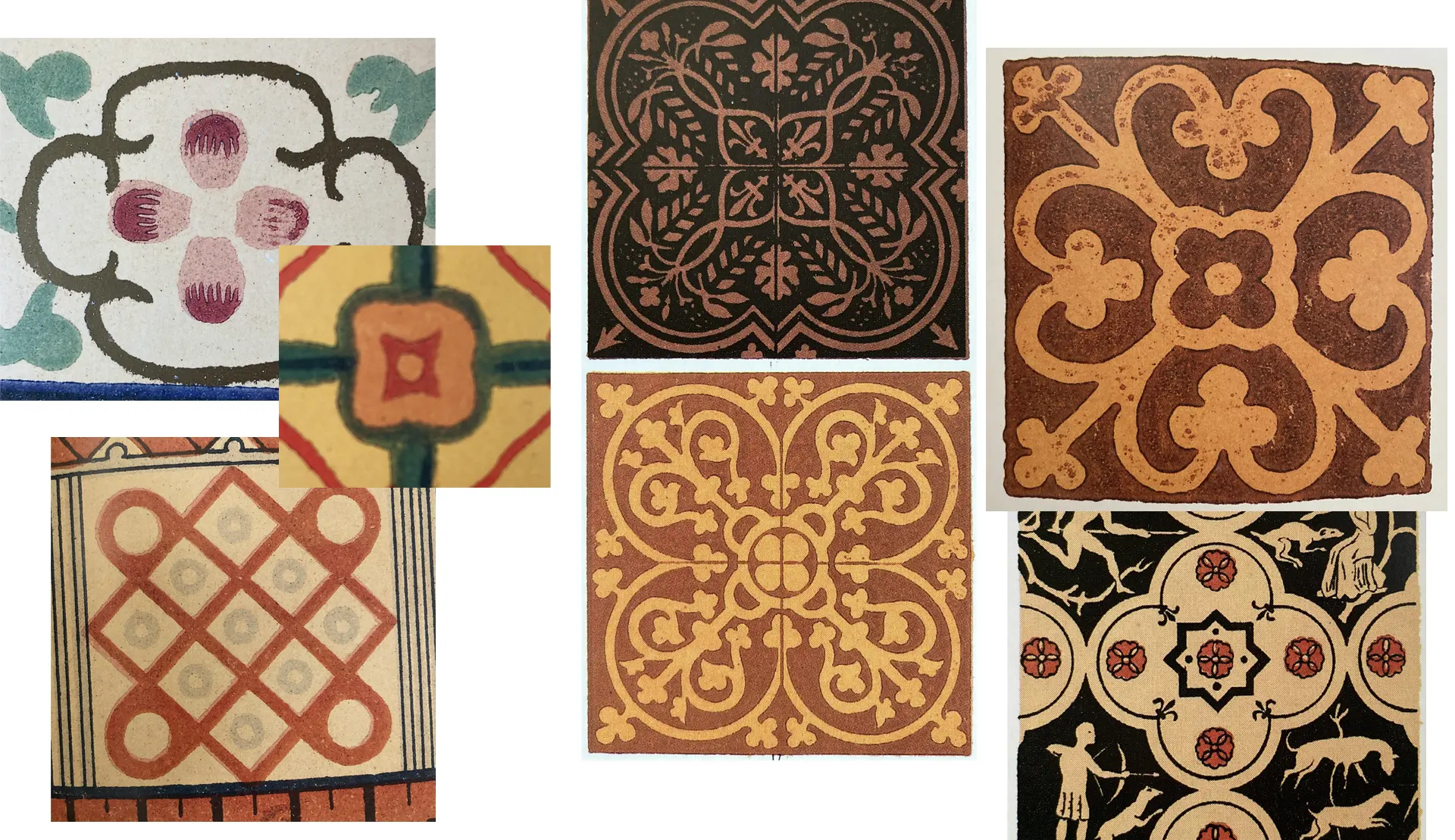
Any farther? I consulted my Decorative Ornament. And I was honestly surprised to not find one example. Surely someone, whether they knew the underlying math or not, would try to mush together a circle and square. You don't need to know the underlying equation to draw either. I find it hard to believe they were not an Art Nouveau thing. And this is by no means an exhaustive research project. But the quatrefoil was the only proto-squircle I could find.
So maybe squircles have always been related to math and technology. First, a boom in the 1950s when the math was worked out. And another now as it becomes simpler to create them.